Stockpiling the Storm: Oil, Memory, and the Return of Scarcity
The image settles into your eyes slowly—two massive tankers pressed side by side like silent arguments, their decks crowded with pipes, valves, and the dull geometry of energy infrastructure. Rust tones creep along their hulls, not decay exactly, more like memory etched into steel. Around them, smaller service vessels orbit with purpose, while the breakwater stretches across the horizon, holding back a calm sea that feels almost deceptive. It’s the kind of calm that only exists when something bigger is already in motion.
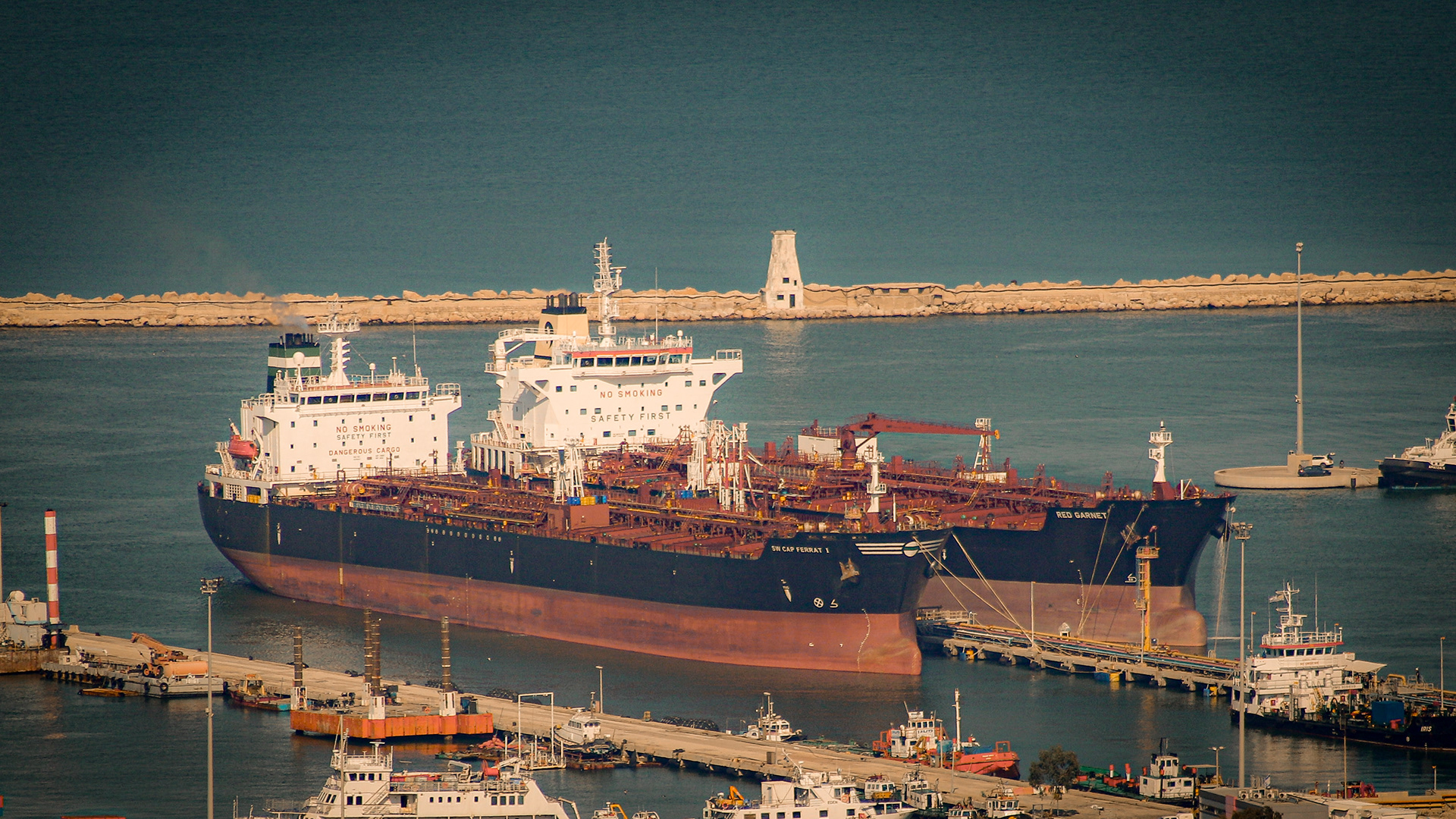
Right now, the world is doing something instinctive, almost primal in economic terms: refilling. Storage tanks are being topped off, floating storage is quietly expanding, and every available barrel that can be legally moved is being redirected into reserves. The temporary easing of sanctions on Iranian oil isn’t being treated as diplomacy—it’s being treated as a window. A narrow one.
Because everyone remembers what happens when the window closes.
The parallels to the 1970s are no longer just rhetorical. Back then, supply disruptions triggered by geopolitical shocks—first the embargo, then the Iranian Revolution—sent oil prices surging and exposed just how dependent industrial economies were on Middle Eastern flows. Prices didn’t just rise; they multiplied, reshaping entire economies and forcing governments into emergency responses. The shock wasn’t only about physical shortage—it was about realization. Oil wasn’t just a commodity. It was leverage.
And what made that era particularly dangerous was how much of the crisis was driven not just by actual supply loss, but by expectation. Markets reacted to fear as much as to barrels.
That same psychology is visible now.
Even as some flows resume—tankers released, sanctions loosened, shipments redirected—the underlying system feels brittle. The Strait of Hormuz remains a choke point, and the current conflict has already disrupted a meaningful share of global supply. Comparisons to the 1970s are no longer academic—they’re creeping into policy discussions and trading desks alike.
So the behavior follows: governments build buffers, traders chase cargoes, refiners lock in supply, and storage becomes strategy.
What’s striking is how this looks from a distance. Not panic, exactly. More like controlled urgency. Ports stay busy, terminals operate around the clock, and tankers—like the ones in the image—become temporary vaults, holding energy in motion. Oil is no longer just being transported; it’s being parked, staged, positioned.
It’s a kind of logistical chess.
But there’s an underlying contradiction that feels familiar. In the 1970s, even after embargoes ended, prices stayed high and economies struggled with stagnation and inflation. The system didn’t simply reset once supply returned. The shock lingered. Policies shifted, energy strategies diversified, and entire industries reoriented.
We may be at the same threshold again.
Because this current moment—this temporary relief, this surge in available barrels—is not stability. It’s inventory-building ahead of uncertainty. The market isn’t saying “the crisis is over.” It’s saying “we’re buying time.”
And if you look back at the tankers in that frame, you start to notice something subtle. They aren’t moving. They’re waiting.
That’s the real story.